
People living with traumatic brain injury (TBI) or acquired brain injury (ABI) often navigate lasting physical and cognitive changes. Exercise is known to benefit both physical and cognitive health, yet many individuals with brain injury face barriers to community fitness programs or struggle to stay engaged with them over time.
Work led by Jamie Williams, PT, DPT, Clinical Director of Brain Injury Services at Bancroft NeuroRehab, alongside colleagues at Saint Joseph’s University and Drexel University, adds to the growing evidence that structured, adapted wellness programs may support long-term brain injury rehabilitation and recovery, including measurable improvements in attention and balance.
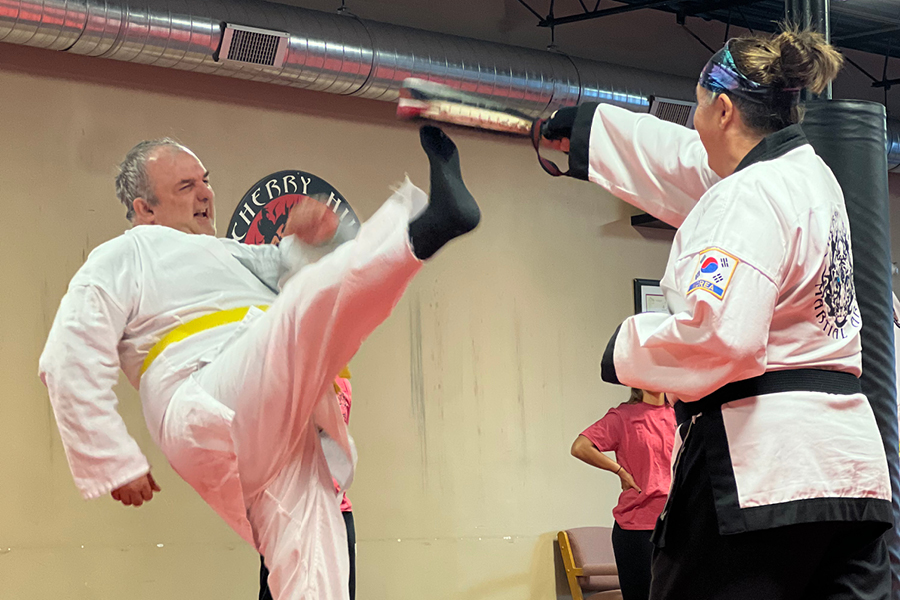
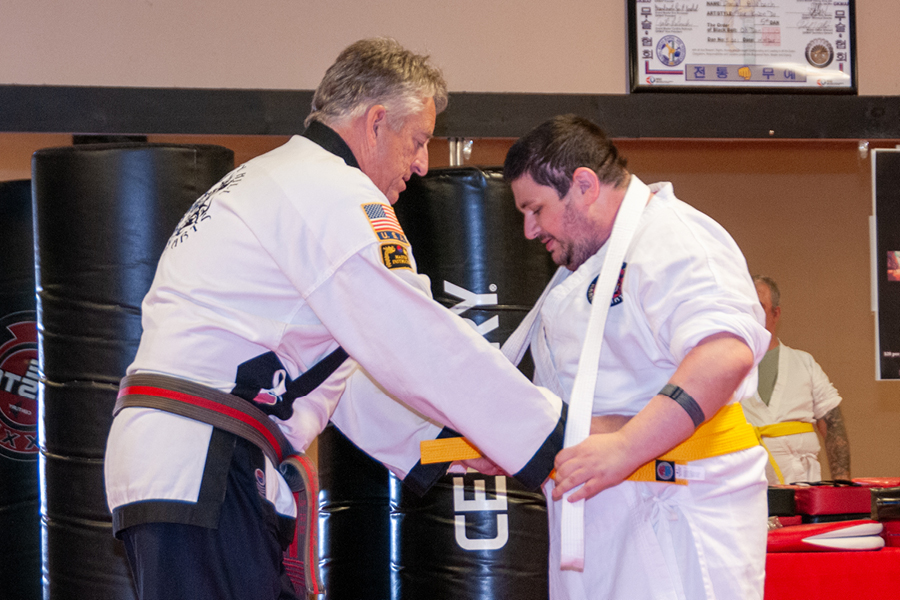
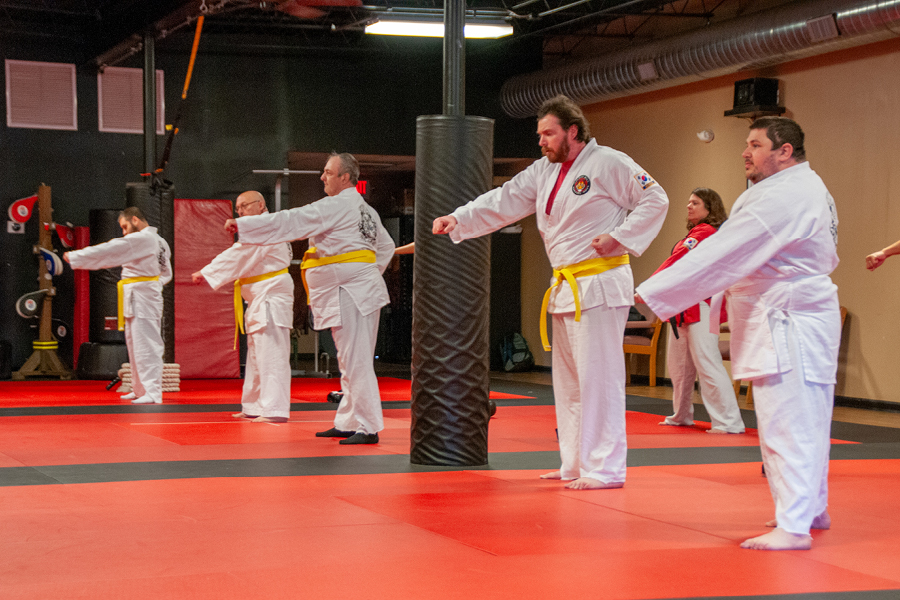
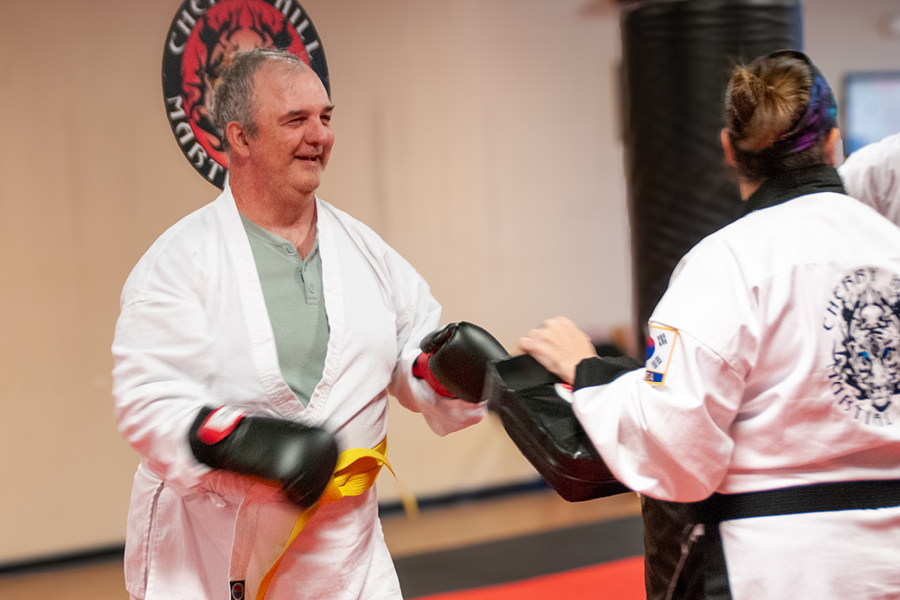
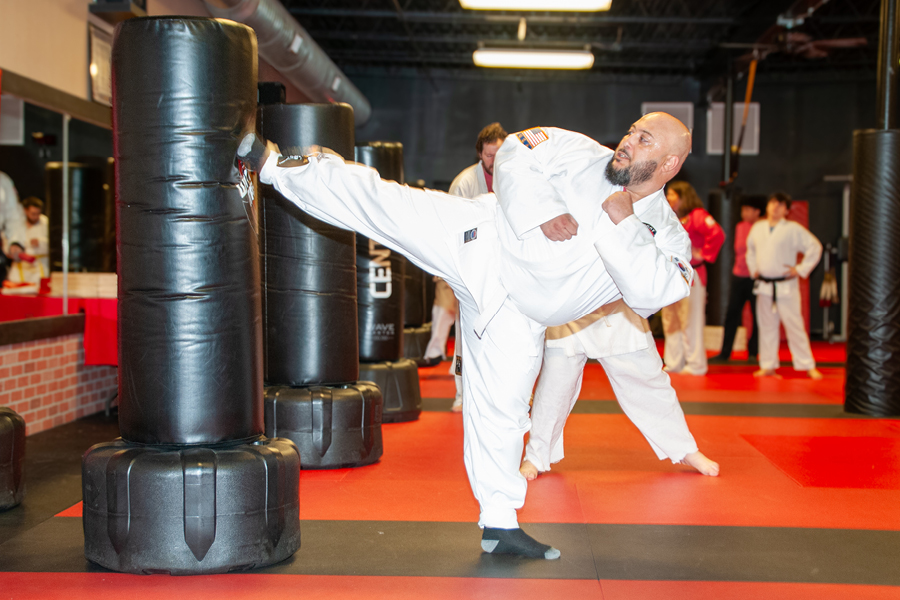
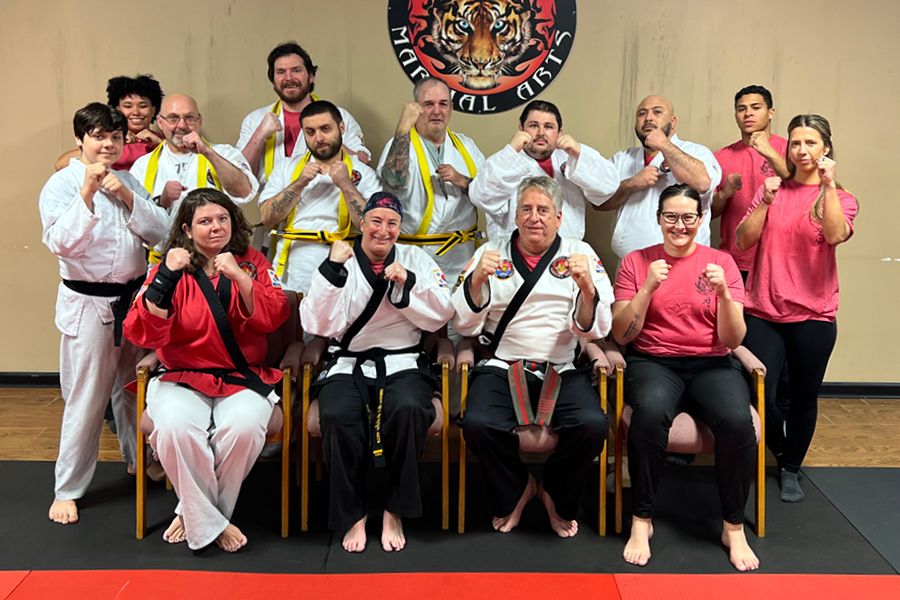
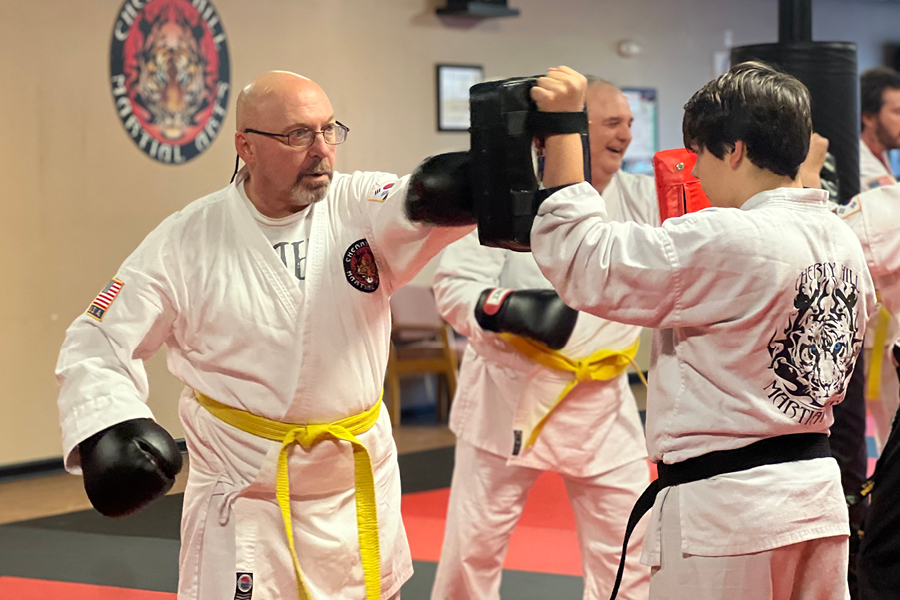
At Bancroft NeuroRehab, clinicians have applied this approach through structured, adapted movement programs, including an adapted Taekwondo class, observing patterns in safety, engagement and functional changes over time.
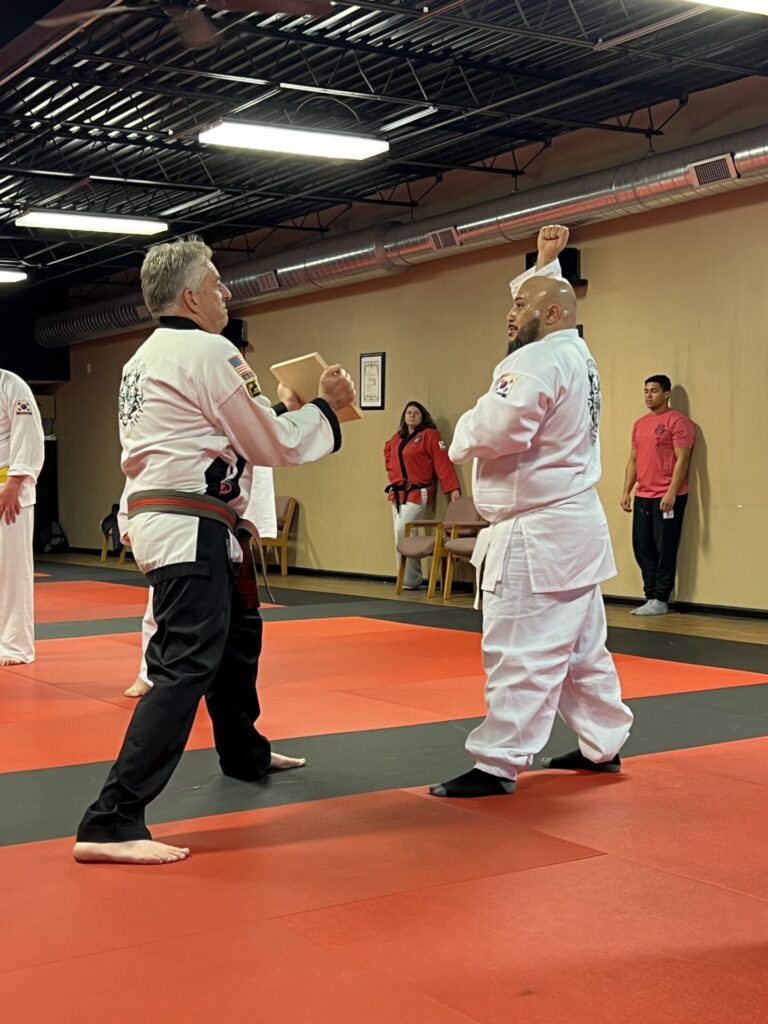
“Structured wellness programs are a fun and engaging way to get people moving while also building social participation and community involvement,” said Jamie Williams, PT, DPT. “They also create accountability and consistency, which can help people stick with an exercise routine.”
Key Takeaways for TBI and ABI Recovery
- Adapted exercise can be delivered safely in a community setting with appropriate supports
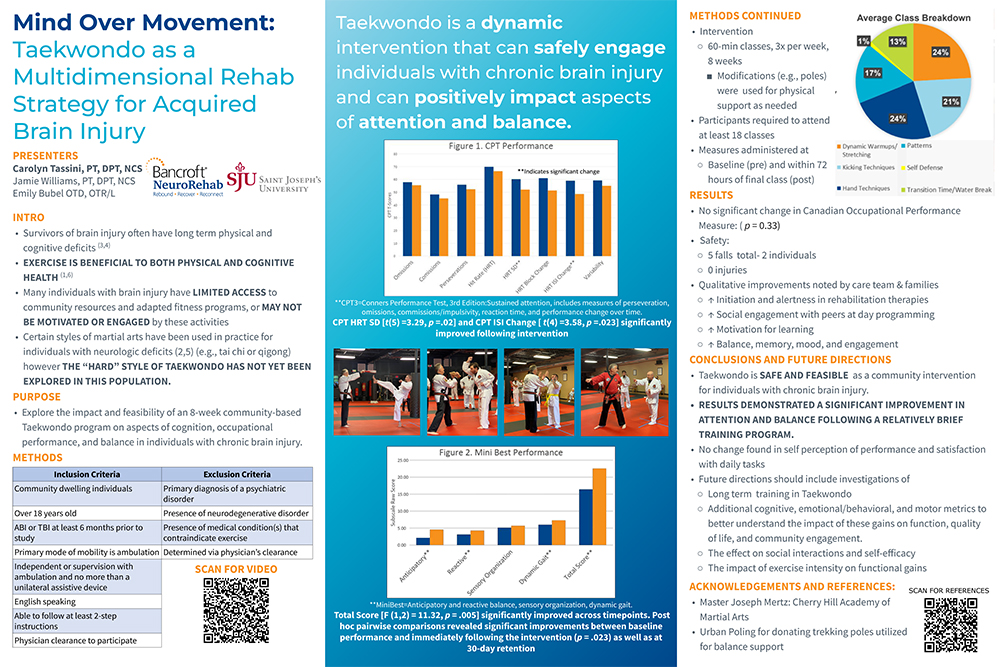
- Attention and balance improved on standardized tests following a structured program
- Families and care teams observed day-to-day improvements in engagement, mood, and day program participation during the program
Safety in Community-Based Exercise After Brain Injury
Safety is top of mind for families exploring new wellness programs after brain injury. In one structured, adapted program, only two participants experienced falls, and no one was injured. That experience reinforces that, when movement programs are thoughtfully adapted and closely supervised, people living with chronic brain injury can participate safely.
Measurable Improvements in Attention and Balance
The clearest gains appeared in attention and balance.
Participants in this type of structured program showed measurable improvements in focus, reaction time, and stability after the program, with balance gains still evident at a 30-day follow-up. Self-reported perceptions of daily performance did not change significantly, highlighting the difference between objective progress and personal experience during recovery.
What Families and Care Teams Noticed Day to Day
Alongside formal testing, families and care teams noticed meaningful shifts in day-to-day participation, including:
- Greater alertness during therapy sessions
- Increased social engagement with peers in day programs
- Increased motivation for learning
- Improvements in balance, memory, mood, and overall engagement
“We are seeing that people who have severe cognitive and memory issues are learning new things from a motor-planning perspective,” Williams said. “They are also learning new things like vocabulary and counting in Korean, which is really fun.”
Why These Findings Matter in Neurorehabilitation
Improvements in attention and balance matter because they show up in everyday life: staying focused on tasks, moving more confidently, engaging with others, and getting the most out of therapy and community activities.
For many people living with TBI or ABI, the goal is not simply exercising. It is building routines that support function, safety, and connection.
“We know there are significant barriers to exercise for people living with brain injury, and research shows this population tends to be more sedentary than others their age,” Williams said. “The fact that we are seeing changes in their mobility, balance, and cognition is really exciting.”
Putting This Into Practice
If you are exploring a wellness or exercise program after brain injury, consider asking:
- Is the program supervised by trained professionals who understand neurologic conditions?
- What modifications are available for balance or mobility needs?
- How is safety handled during movement and transitions?
- Does the program emphasize consistency over time rather than one-off classes?
You can also bring this information to your therapy team and ask how community-based exercise might complement goals related to attention, balance, or engagement in daily life.
Exploring recovery options after brain injury?
Learn more about the therapy, day rehabilitation and wellness programs available through Bancroft NeuroRehab.
View the Research
About the Expert

Jamie Williams, PT, DPT, board-certified clinical specialist in neurologic physical therapy, is the Clinical Director of Brain Injury Services at Bancroft NeuroRehab. She completed the MossRehab Neurologic Physical Therapy Residency and has worked at Bancroft NeuroRehab since 2018. Dr. Young is passionate about applying evidence-based research to clinical practice to support individuals living with traumatic and acquired brain injuries.