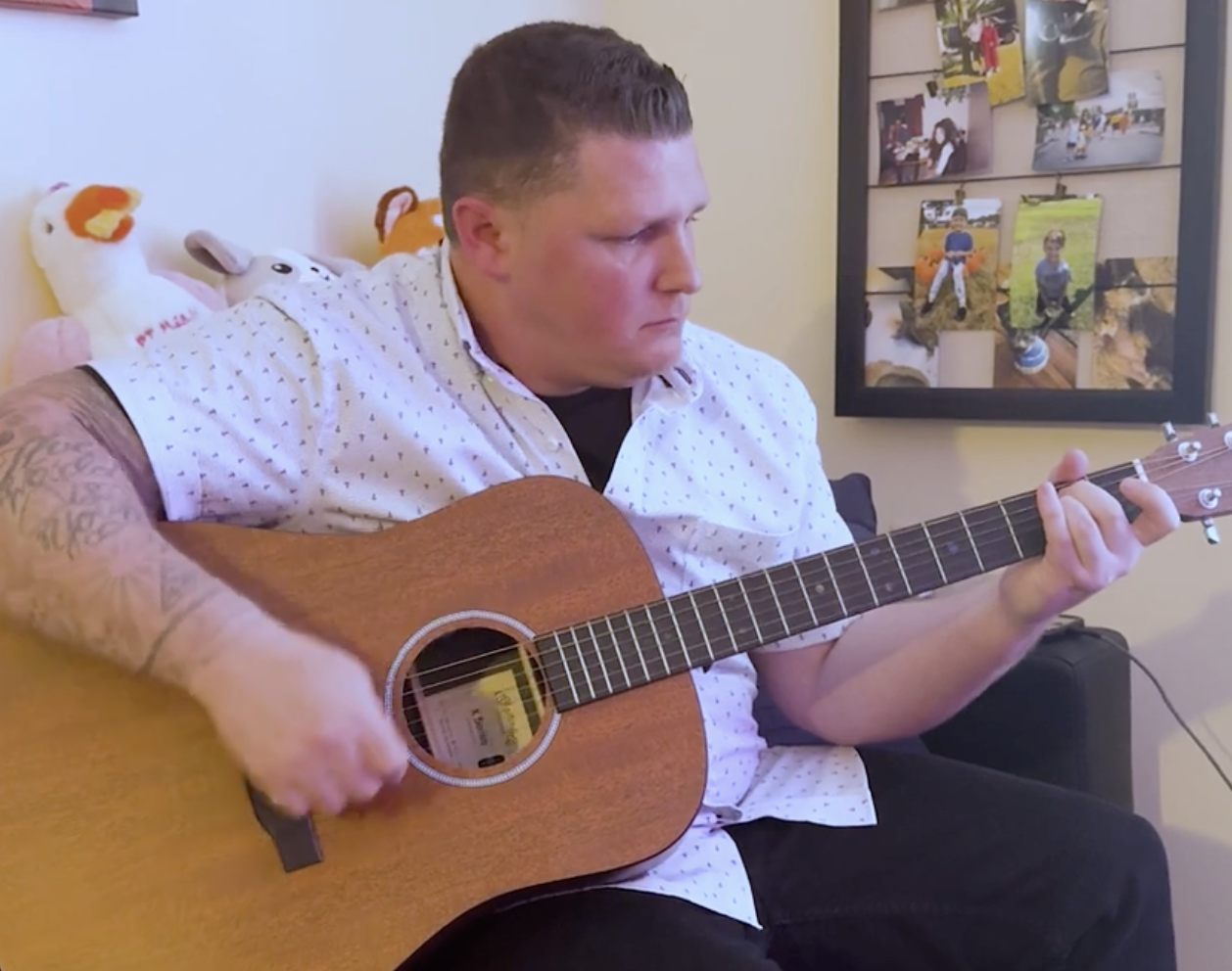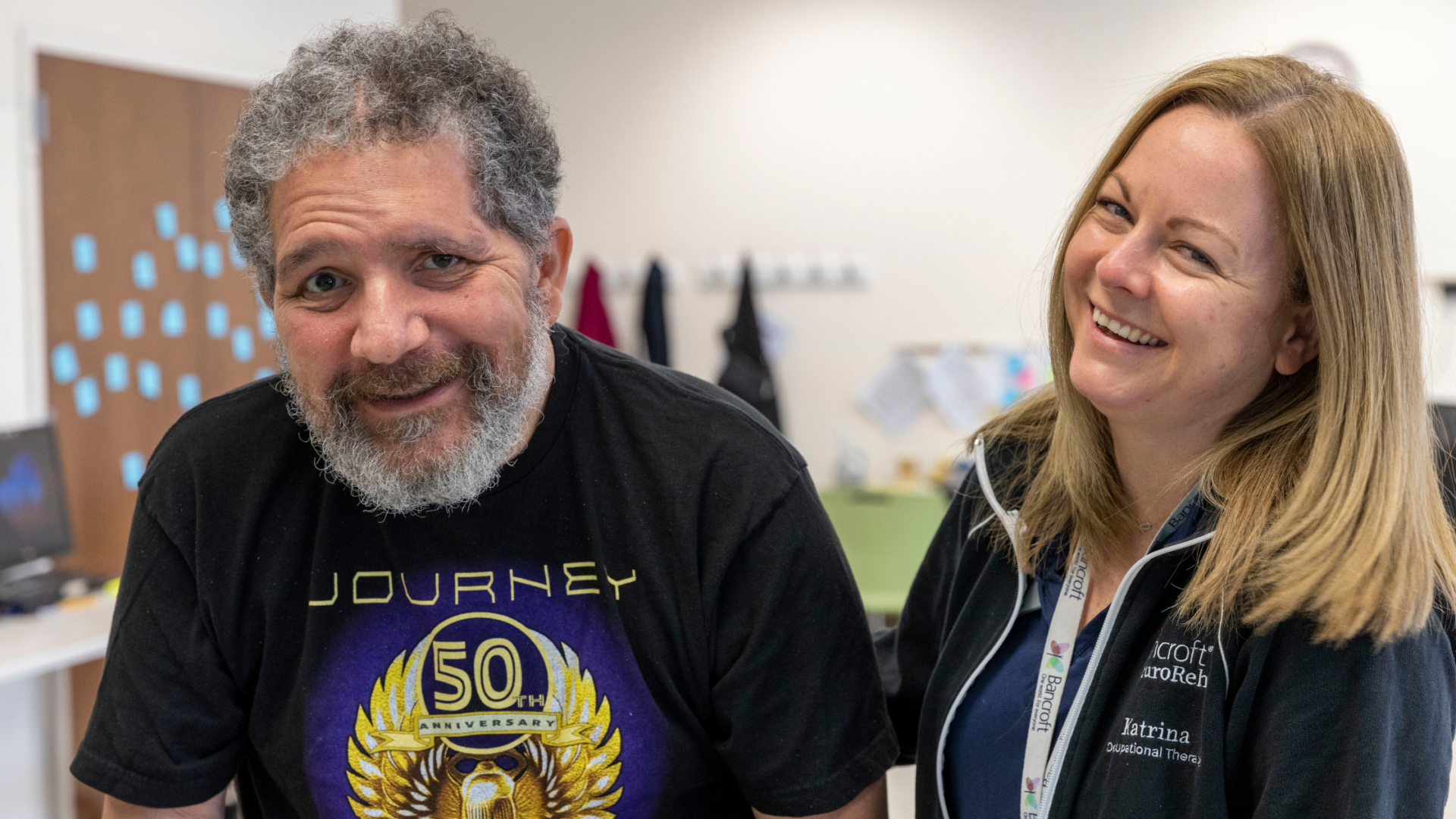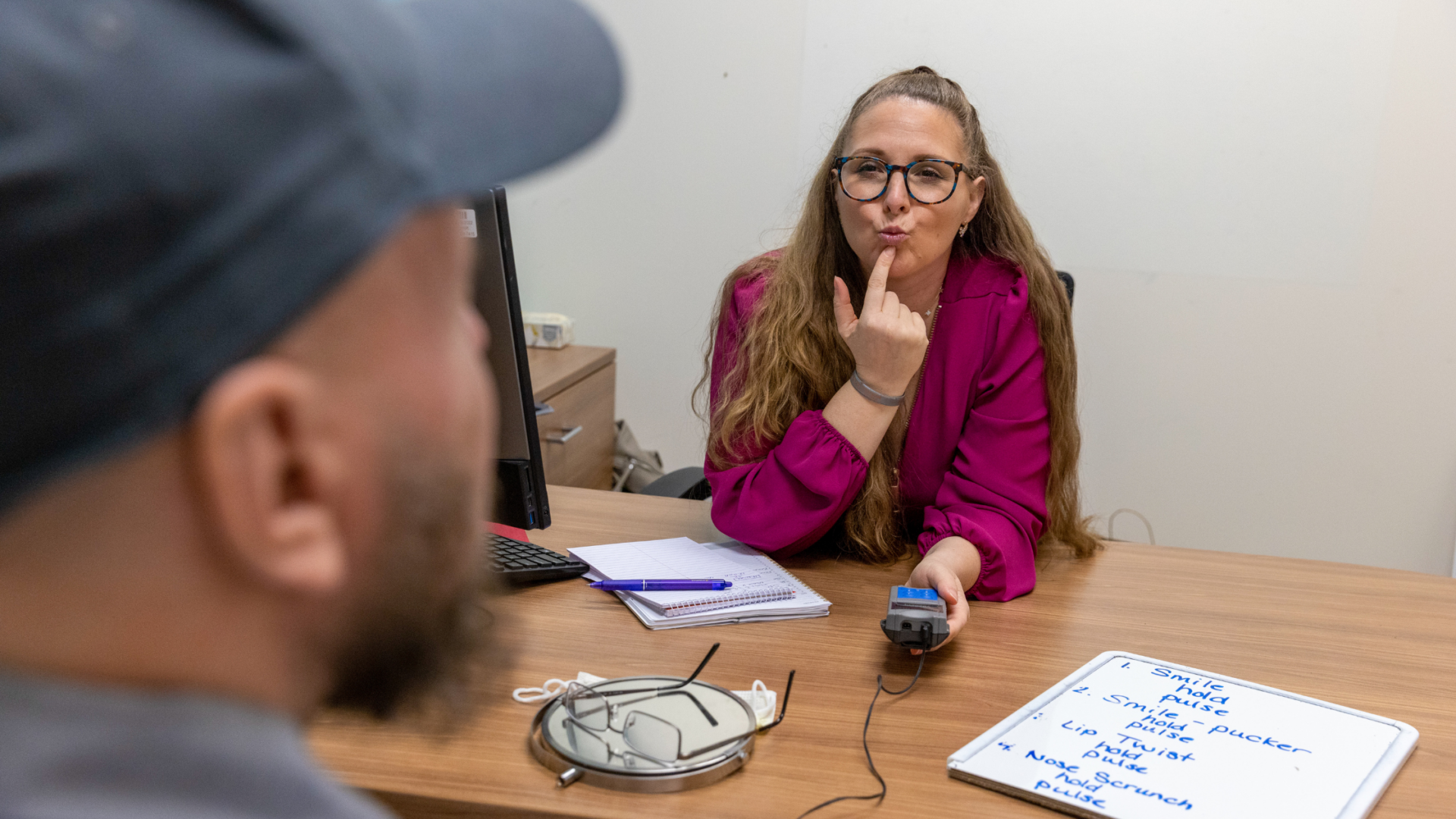


On April 2, 2022, Joe’s car spun out of control, crashing into multiple trees. Emergency responders used the jaws of life to pull him from the wreckage and airlifted him to the hospital, where he spent nearly two months in a coma. When he woke, he couldn’t speak, eat, or walk.
Everything had changed. The road ahead was uncertain.
“I’m lucky to even be alive today,” he says.
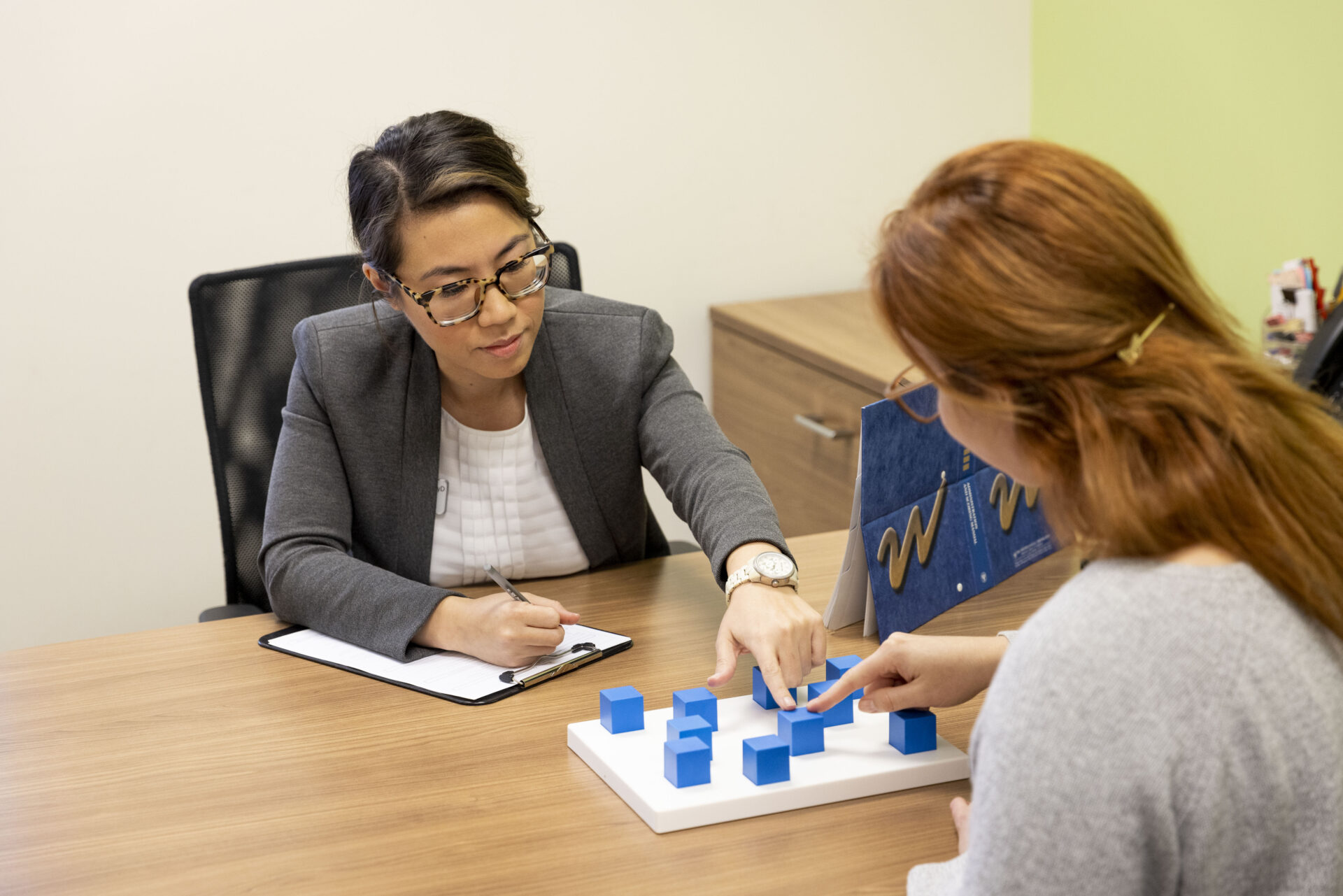
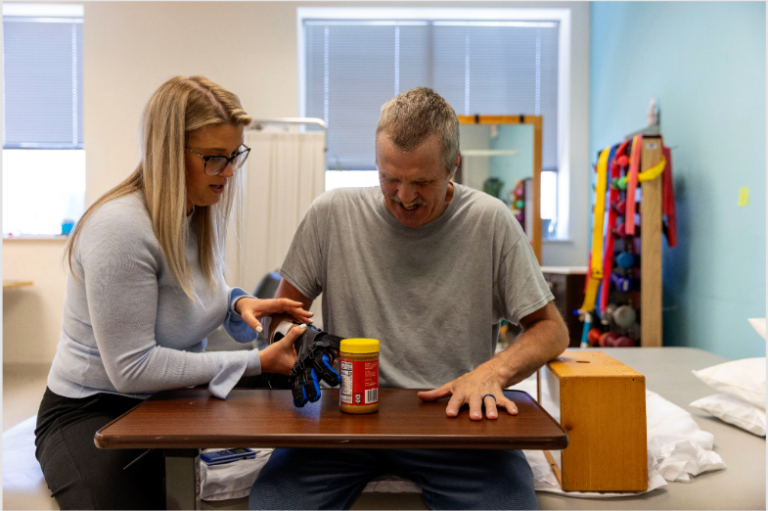
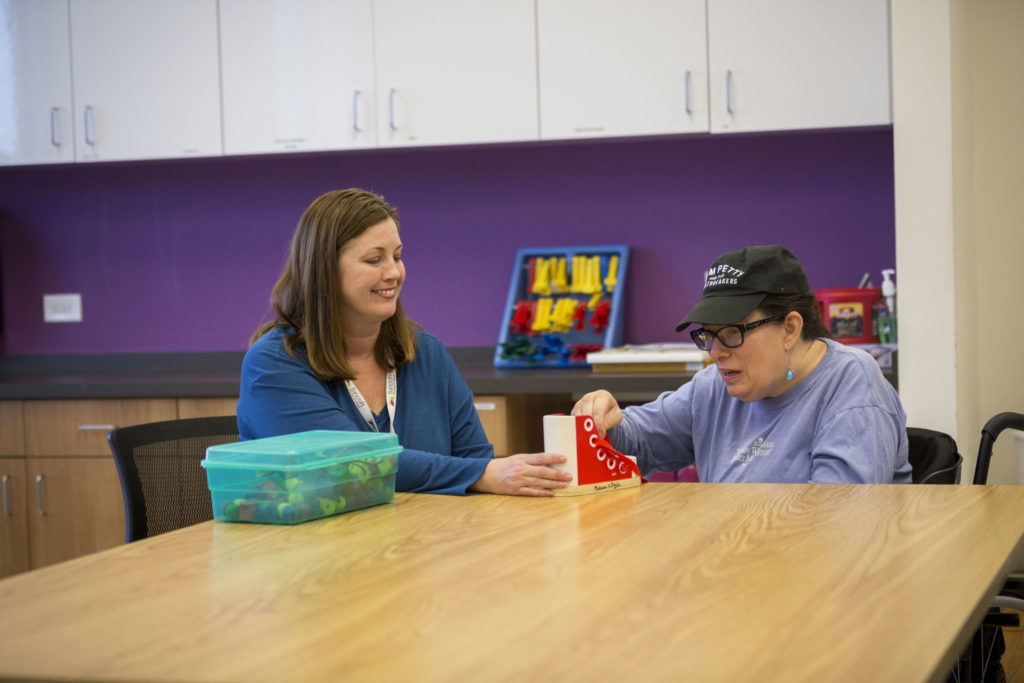
Within months of his injury, Joe came to Bancroft NeuroRehab to continue his recovery after acute and subacute care. He began an intensive schedule that included occupational, physical, speech, cognitive, and psychological therapies.
Due to his support needs, Joe and his family decided to also take advantage of Bancroft’s Day Program and residential services. Both provided him with the structure and support to keep building skills each day.
Rebuilding Skills and Confidence
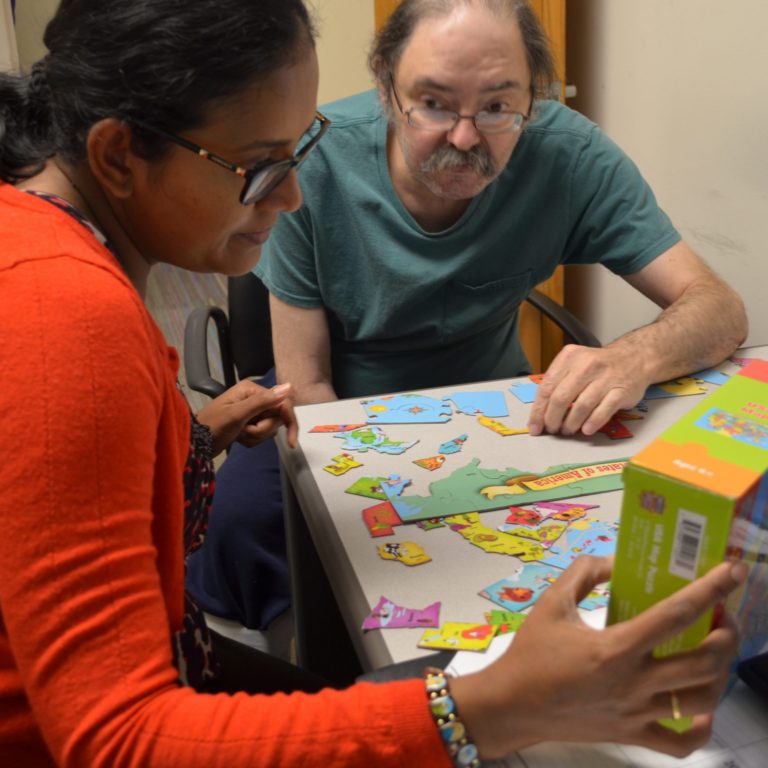
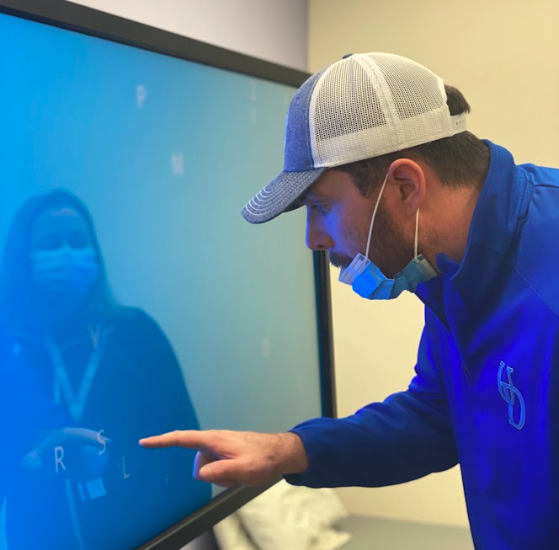
Early on, Joe’s therapy focused on rebuilding the skills he needed to function day to day. He worked on memory, attention, and executive functioning, practicing how to recall information after a delay, shift between tasks, and stay focused in busy environments. These are skills that support real-life activities like driving, managing responsibilities, and keeping up with conversations.
Social communication was also a major focus. After his brain injury, interacting with others and picking up on social cues didn’t come as easily. Through therapy and practice, he worked on engaging in conversations, reading situations, and responding appropriately — all essential skills for everyday life.
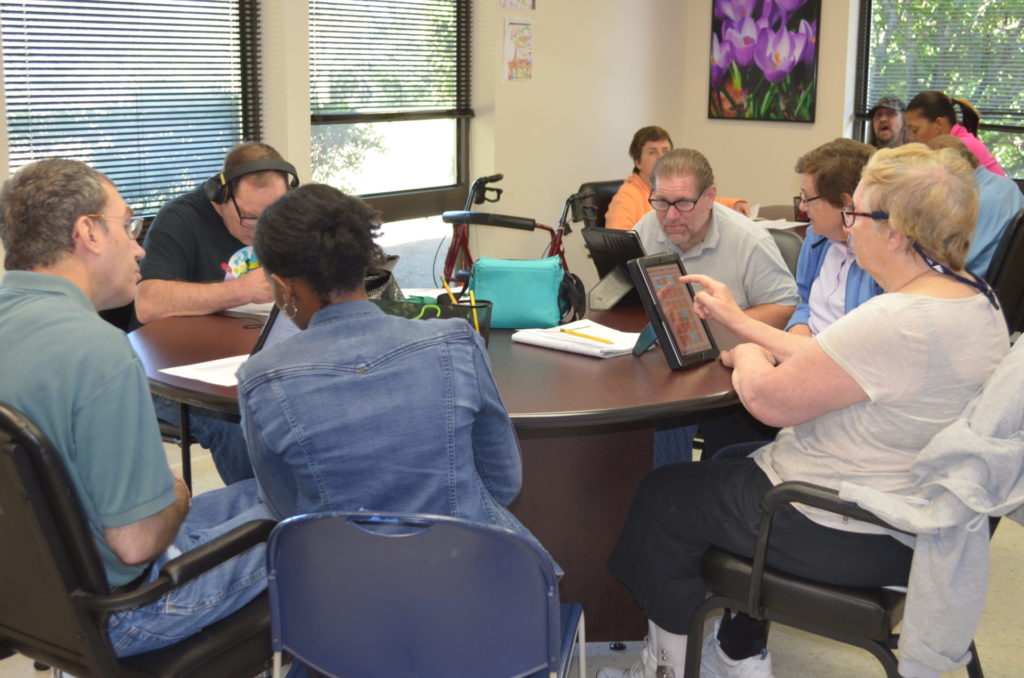
Outside of therapy, Joe continued building these skills in both the day program and home. He participated in group activities, worked toward individual goals, and gradually became more confident interacting with others. Over time, he even began leading group activities, helping him continue to build his communication skills, confidence, and independence.
In his group home, those same skills were reinforced through everyday routines. At first, Joe needed support with cooking, laundry, and establishing a daily schedule. Staff worked alongside him, helping him build consistency and independence. As he grew more confident and capable, he took more initiative, helping with meals, managing his own laundry, and becoming more engaged in daily life.
A Team Approach to Recovery
Throughout it all, Joe’s clinical, day, and residential teams worked closely together, sharing updates, adjusting goals, and reinforcing the same skills across every part of his day. Because they were in constant communication, they understood the full picture of his recovery and could tailor his support to match his progress.
Joe approached his recovery with a strong sense of commitment and consistency. As Nicole Schwartz, Rehab Supervisor and Joe’s occupational therapist, shared, “He wants to make progress. He’s very self-motivated, and that helps a lot.”
As Joe’s skills improved, so did his independence. He began participating more actively in daily life, helping with meals and managing his own laundry. Over time, he mastered everyday living skills such as cooking, grocery shopping, and maintaining his living space.
This progress led to an important transition: moving from a group home setting, where staff provided hands-on, daily support, to supervised residential apartments, where Joe could take on more responsibility for his own space and routines while still having support available when needed.
Today, Joe manages his own apartment, plans meals, schedules transportation, and attends medical appointments with increasing independence.
Becoming More Independent
Joe has since been discharged from physical and speech therapies and continues to receive occupational, cognitive, and psychological support at a reduced frequency. His therapy now focuses on higher-level cognitive and executive functioning skills — the abilities needed to succeed in school, work, and community life.
In fall 2024, Joe began attending Ocean County College, where he is pursuing a degree in accounting.
“It’s honestly like a second chance at life for me,” he says.
He has earned top grades, secured internships, and maintains a strong GPA. His focus and determination reflect how far he has come — not only physically and cognitively, but also emotionally. He credits Bancroft’s team for pushing him to reach his potential.
“Those therapies really pushed me to where I’m at today,” he says.
Recently, Joe made the dean’s list. He is also president of the accounting club at Ocean County College.
Joe hopes to inspire others with his journey. He encourages his peers to strive for more independence.
“It rubs off on other people,” he says. “I just hope to be a role model for other people with challenges like myself.”
Looking Ahead
Joe continues to make progress toward full independence. He is currently working toward managing his own appointments, medications, and transportation, with long-term goals that include full-time employment and living on his own in the community.
“I just want to appreciate life and enjoy everything,” he says.
For Joe, recovery has not simply been about regaining abilities. It has been about building a life again — one step, one goal, and one success at a time.
For many people, that day in April could have felt like the end. Joe never saw it that way. He doesn’t see himself as limited. He believes in his ability to keep moving forward, improving, and building something meaningful.
He credits the Bancroft NeuroRehab team for helping him get where he is today.
And every day, he grows stronger.